Our Features
Join Us
Get Involved
Support our mission to empower mothers and children with disabilities by getting involved today.
Our Program
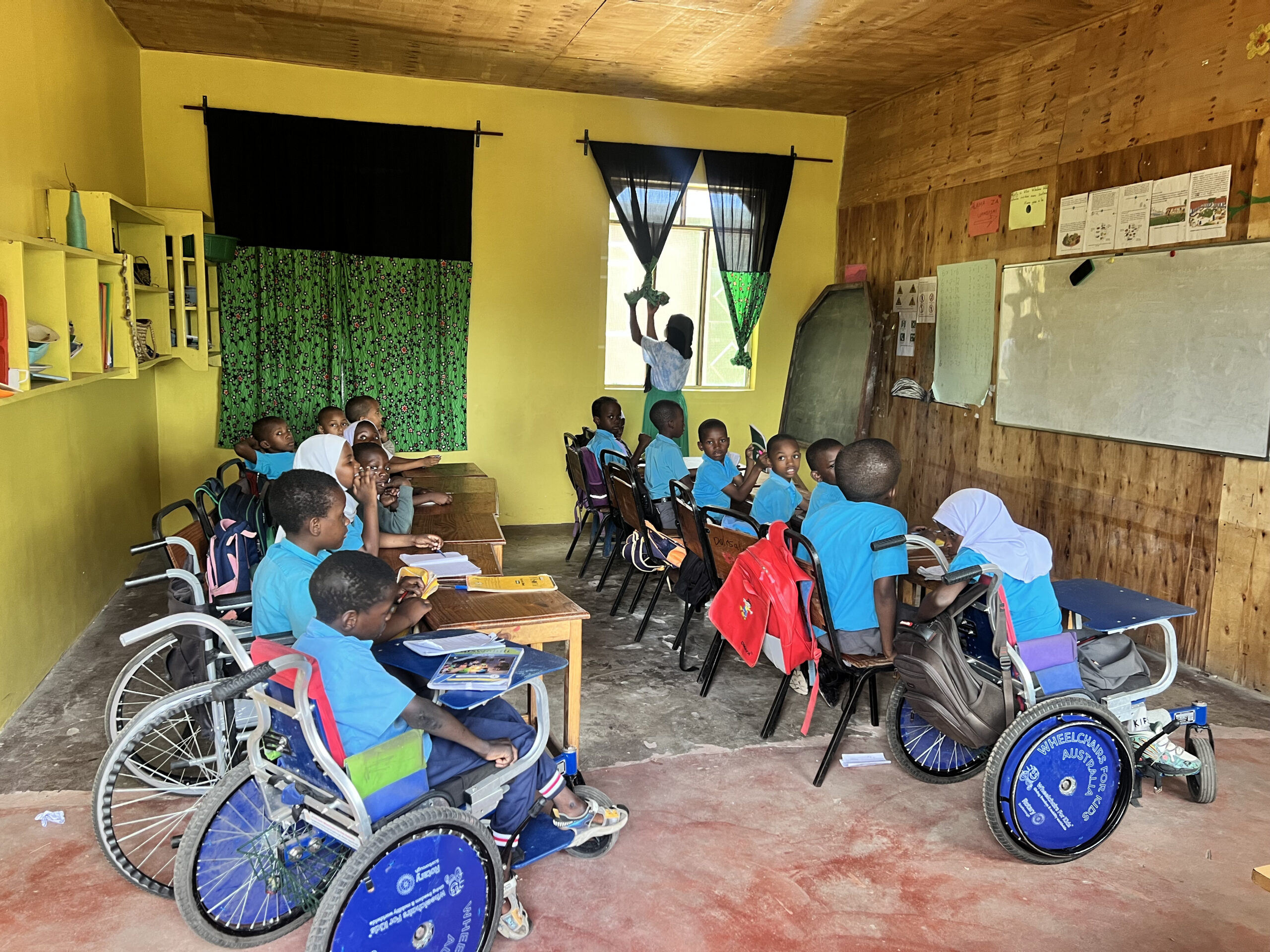
Through workshops, mentorship, and community dialogues, we build the capacity of caregivers, youth, and teachers to support child protection, education, and social well-being.
Our goal is to empower communities to become self-reliant and resilient in addressing everyday challenges.
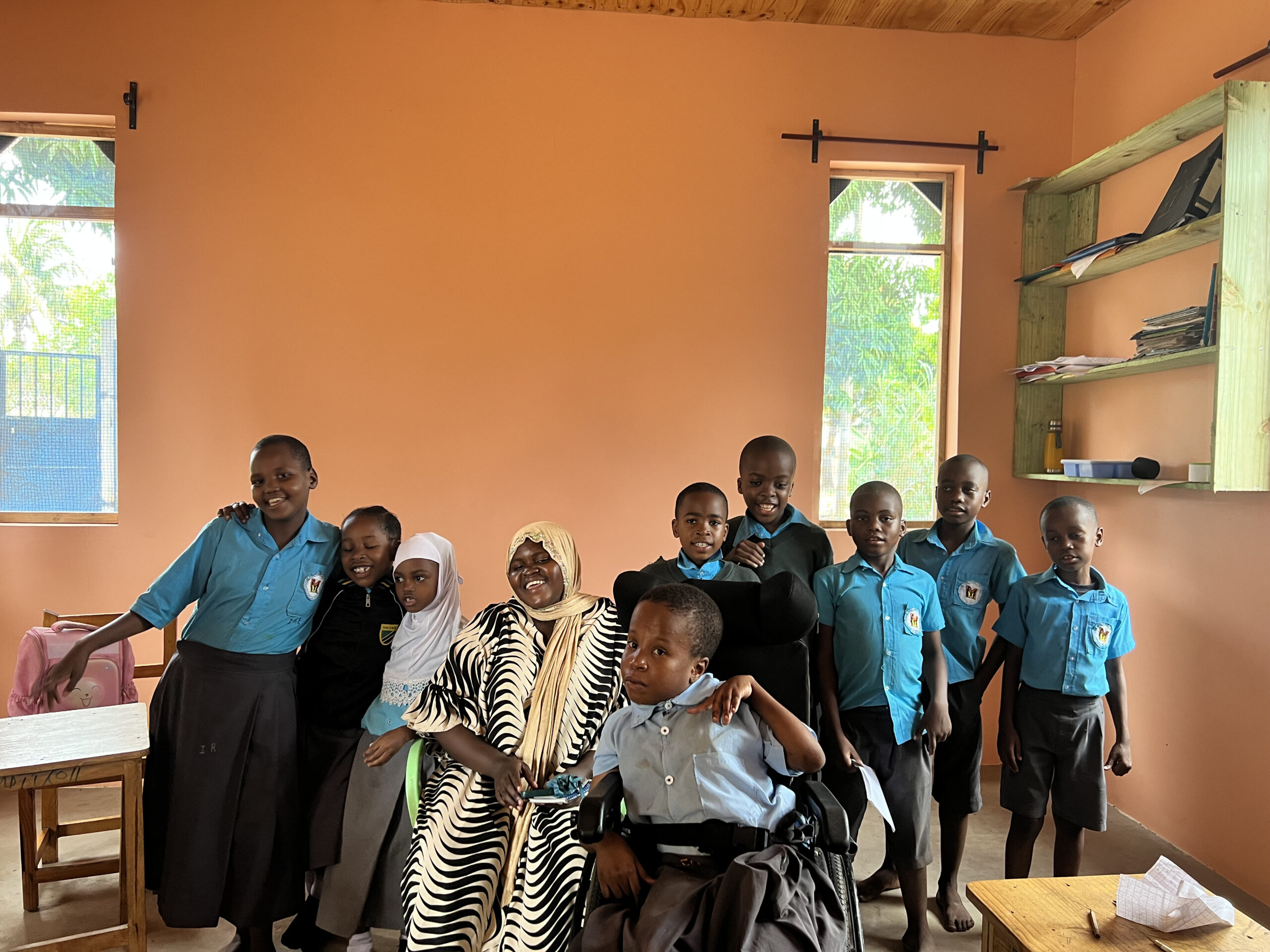
Mama na Mwana Foundation engages in policy dialogue, awareness campaigns, and collaborative partnerships to influence social systems that promote fairness and dignity for all.
We believe that every voice matters and that sustainable change begins when communities embrace diversity and justice.
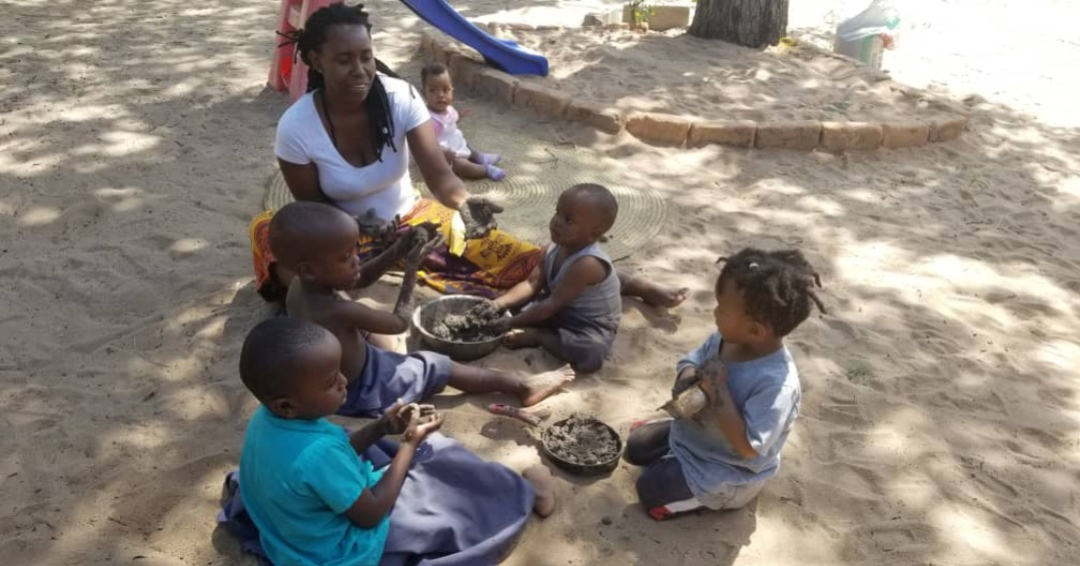
We also work with local leaders, law enforcement, and health providers to strengthen community-based protection mechanisms.
Through education and advocacy, Mama na Mwana Foundation is committed to breaking the silence, promoting gender equality, and ensuring that survivors access justice and healing.
Our Programs are structured ito 7 Key Thematic Areas
1. Maternal Empowerment
The Safe & Transit Home is part of our Maternal Empowerment program, offering temporary shelter and support to mothers before, during, and after treatment for children with spina bifida and hydrocephalus. Facing crisis situations such as medical challenges, domestic violence or homelessness. It provides safety, counseling, maternal health care, and empowerment services.
2. Mental Health Support
Our Mental Health Program provides compassionate care for mothers and children facing emotional, psychological, or trauma-related challenges. Through counseling, peer support, awareness campaigns, and referrals, we promote healing, resilience, and well-being — especially for those navigating maternal stress, postpartum depression, or the emotional impact of conditions like spina bifida and hydrocephalus.
3. Economic Resilience
Our Economic Resilience program equips mothers and caregivers with the tools to achieve financial independence and stability. Through skills training, entrepreneurship support, savings groups VICOBA, and access to income-generating opportunities, we empower women to build sustainable livelihoods and break cycles of poverty, especially those caring for children with special health needs.
4. Inclusive Education
Through our Inclusive Education program, Mama na Mwana Foundation promotes learning environments where every child — regardless of ability — is valued and supported. At Asili Academy formerly Mwanangu Special Waldorf School in Vikindu, we provide holistic, child-centered education tailored for children with disabilities, including those with spina bifida and hydrocephalus. Our approach nurtures potential, fosters independence, and builds a foundation for lifelong learning and inclusion.
5. Training & Capacity
BuildingThrough our partnership with Camphill Academy Afrika, Mama na Mwana Foundation offers specialized training in inclusive education, community living, and disability support. This program equips caregivers, educators, and community workers with practical skills and values rooted in the Camphill approach, fostering competence, compassion, and long-term impact in inclusive settings like Asili Academy and our Inclusive Community Program.
6. Advocacy for Inclusive Communities
Inspired by the Camphill approach, our Inclusive Community Program creates nurturing, village-style environments where people of all abilities live, learn, and grow together. Through shared living, creative work, and mutual support, we foster dignity, belonging, and purpose — especially for children and youth with disabilities. This model complements our educational efforts at Mwanangu Special Waldorf School and promotes lifelong inclusion beyond the classroom. Offering Biodynamic farming and inhouse rehabilitation services.
7. Gender-Based Violence (GBV) Response
Our GBV Program provides protection, healing, and empowerment for women and girls affected by gender-based violence. Through awareness campaigns, survivor-centered counseling, legal referrals, and safe shelter at our Transit Home, we work to prevent abuse and support recovery. We also engage communities in dialogue and education to challenge harmful norms and promote safety, dignity, and equality for all.
Anthroposophical Community in Africa and Youth Initiative Africa
This is a community of individuals from
different countries in Africa, in the spirit of Anthroposophy. We strongly feel
related as a community because our geographical borders are not an organic
development from indigenous people, but rather an outcome of the colonial
scramble and partition of the African continent.
We aim at bringing together all those in
the walk and interest of Steiner’s philosophy. We are translating the African
historical richness into future perspective views for a new Community in Africa
inspired by an Anthroposophical knowledge of humanity and oneness.
This impulse is a result of a seed planted
during the annual 7 day All Africa Anthroposophical Training (AAAT) which began
in 2018. Most of us came into contact with Anthroposophy through it's
pedagogical impulses in East Africa (the Waldorf Schools) but lacked a shared
unity and a platform to bring us together, as we had each came across
Anthroposophy independently and thus found a connection with the Goetheunum
individually (mainly through the Waldorf schools).
It became meaningful to organise ourselves
into a community after organising and participating in the AAAT which during
the last 5 years took place mainly in East Africa (Kenya 2018, Tanzania 2021,
Uganda 2022, Zanzibar 2023) and once in Zimbabwe, in 2019. The big question
that arose for most of us was, what can live on with the local people after
these wonderful 7 days’ training? How to continue sharing and deepening the
lessons from the AAAT? How else could it happen if we don’t want to rely only
on participating in the future AAAT sessions as they travel far from East
Africa to the rest of our brothers and sisters elsewhere on our continent? In
which way do we want to relate amongst each other and the world around us?
It took us 6 years to meditate on these
questions and actualize this unification which was made possible by the annual
AAAT meetings in different African countries. It gave us the opportunity to
openly engage in dialogues and discussions.
We agreed to form ourselves into a
community and address the question of what can then be our contribution to
Anthroposophy as a Community in Africa. After a year of intentional
conversations with the support from different people (including Dr Friedemann
Schad, Dr Michaela Gloekler, Wilfried Bohm, Joan Sleigh), 10 of us dreamt of a
united Africa through Anthroposophy.
On 01.09.2024, during the 6th All Africa
Anthroposophical Training in Botswana, we formally initiated the
Anthroposophical Community in Africa. A ceremony took place in Otse Botswana,
at the Botswana Camphill Trust, witnessed by more than 30 people.
Our objectives
1. To deepen our anthroposophical knowledge in relation to the African
narratives and to give our contribution to the world.
2. To bridge the gap between African communities and the rest of the
world in the Anthroposophical movement and to facilitate our representation in
global anthroposophical matters.
3. To share information, linkages and support to our community members,
from the available resources and opportunities in the global Anthroposophical
movement.
4. To support, mentor and build the capacity of our community members
in their personal and professionals' development and the impulses that live
within the community.
5. Mentorship and stewardship of the Youth through Youth Initiative
Africa – sub Section.
The Community is open to individuals with
an interest in Anthroposophy in Africa. Currently our members range from
teachers, farmers, special needs experts, therapists, indigenous African
Medicine practitioners, artists, youth, spiritual leaders, to mention but a
few.
The Structure
The community was founded by 10 Founding
members from 8 African countries who form the Leadership Team.
Tanzania
·
Janet Manoni- Pioneer - Asili
Camphill Community and Asili Academy (Mwanangu) a Waldorf Inclusive School,
operated by Mama na Mwana Foundation
·
Oliver Venance Mrosso -
Biodynamic Agriculture Engineer, founder of Organic Hill Farming Company
Limited.
·
Stacieva Imma Mbuguni,
President – Youth Initiative Africa and A Medical Student inspired by
Anthroposophical Medicine.
Kenya
·
Ruth Thiong'o- Kindergarten
Lead, Jasiri Souls School,
Uganda
·
Segujja Patrick- Team Leader,
Kasuku Organics,
Rwanda
·
Zacharie Dusingizimana-
Founder, Ubumwe Community Centre,
Zambia
·
Angela Chazura- Founder, House
of Hope Zambia,
Botswana
·
Mpho Makutu- Assistant
Director, Camphill Botswana,
Ghana
·
Patrick Essuman- Founder, Spina
Bifida and Hydrocephalus Foundation,
Ethiopia
·
Tibeebu Feyissa- Bee Farmer and
Waldorf Primary Teacher.
The affairs of the community are
administered by a Core Group consisting of five members- the Chairperson Mr
Patrick Segujja (Uganda), Secretary General, Janet Manoni (Tanzania), Treasurer
Ruth Thiong'o (Kenya), Mpho Mukutu (Botswana) and Angela Chazura (Zambia). The
Core Group represents the community in all matters concerning membership, the
Constitution, the general administration and management of its business.
The members of the Core Group act in a
voluntary capacity and report back to the Leadership Team on a quarterly basis.
Registration
We have registered the Community in
Tanzania as our initial hub, with chapters in the remaining countries. The
office is at Mama na Mwana Foundation, Vikindu Village, Mkumbini Street, house
142.